Treasure Coast Sliding Door Repair
LICENSED • INSURED • 15+ YEARS
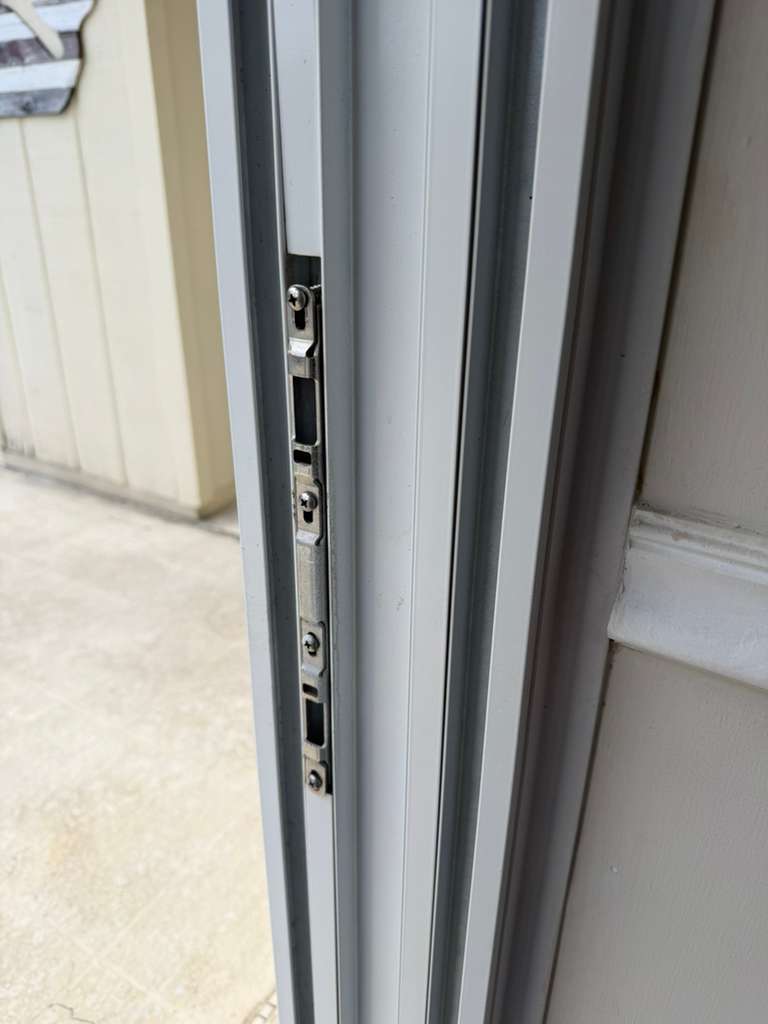
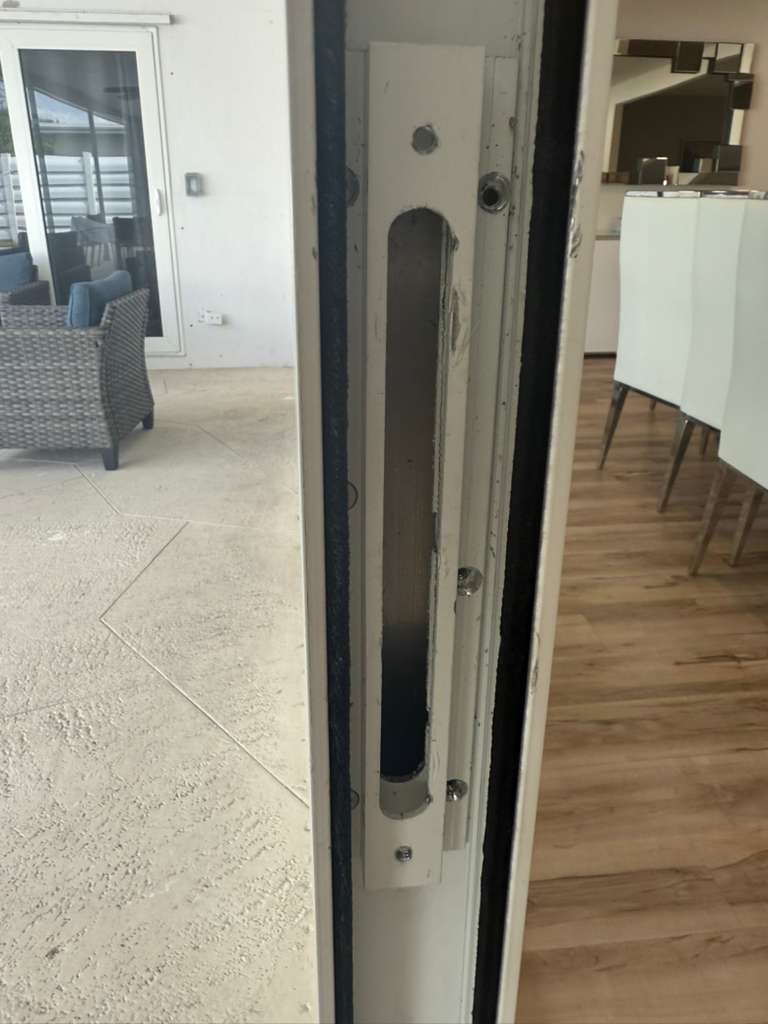
Mortise locks. The standard lock found in most residential sliding doors. A mortise lock sits inside a pocket (mortise) cut into the edge of the sliding panel. When you turn the handle, a hook or latch extends from the lock body into a keeper on the door frame. Mortise locks are the most commonly repaired sliding door lock type because their internal springs and cam mechanisms wear out with repeated use.
Hook locks. A variation where the latch is a curved hook that wraps around a strike plate. Hook locks provide stronger resistance to forced entry than flat latches because the hook must be retracted before the door can be opened. Common on impact-rated sliding doors where wind pressure resistance requires positive engagement.
Multi-point locking systems. Premium security locks that engage at three or more points along the door edge - typically top, center, and bottom. When you turn the handle, all three hooks extend simultaneously. Multi-point locks distribute the force of a break-in attempt across the full height of the door rather than concentrating it at a single point.
Foot locks (floor locks). Supplemental locks installed at the bottom of the sliding panel that pin the door to the track. Operated by stepping on a lever, these provide additional security without requiring you to bend down. Effective as a secondary lock in combination with the primary handle-operated lock.
Florida humidity is the primary enemy of sliding door lock mechanisms. Internal springs lose tension as moisture corrodes the spring steel. Cam mechanisms that convert handle rotation to latch extension develop rough spots that bind. Zinc-plated internal components corrode in the salt air, creating friction that prevents full latch engagement. Over time, the lock that once clicked firmly into place barely catches - or doesn't catch at all.
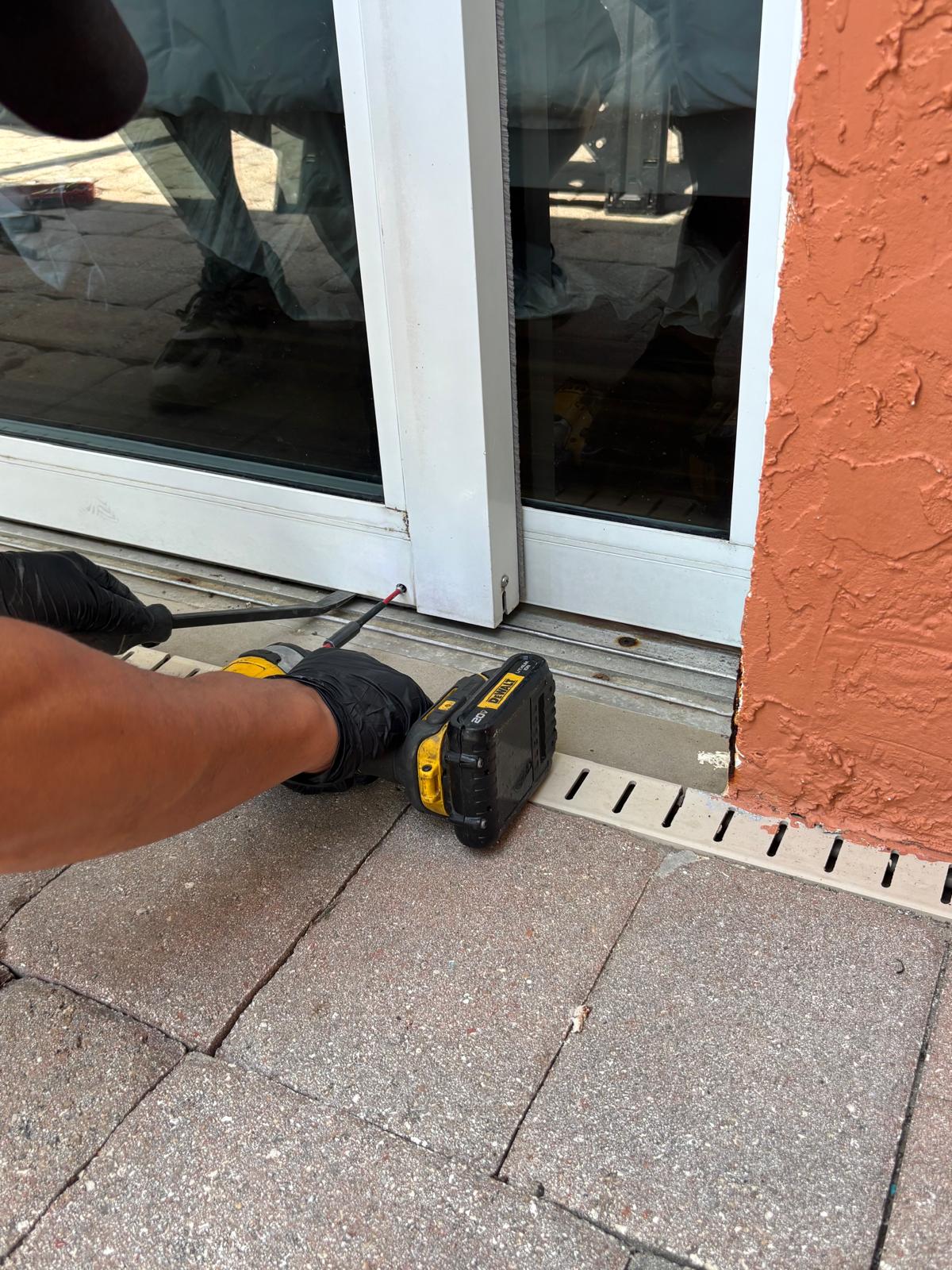
Misalignment is the second most common cause of lock failure. As rollers wear and the door settles lower in the frame, the lock hook no longer aligns with the keeper on the frame. The hook slides past the keeper or engages only partially. Adjusting the roller height to realign the door often solves lock engagement issues without replacing the lock itself.
The factory lock on most builder-grade sliding doors is a basic single-point mortise lock. This is the minimum security level. For Treasure Coast homes, we recommend upgrading to a multi-point locking system that engages at the top, center, and bottom of the door. Adding a foot lock provides a fourth engagement point that is independent of the primary lock mechanism.
A security bar (Charlie bar) placed in the track behind the sliding panel prevents the door from being forced open even if the lock is compromised. While not a replacement for a functioning lock, a security bar provides an additional physical barrier that has zero maintenance requirements.
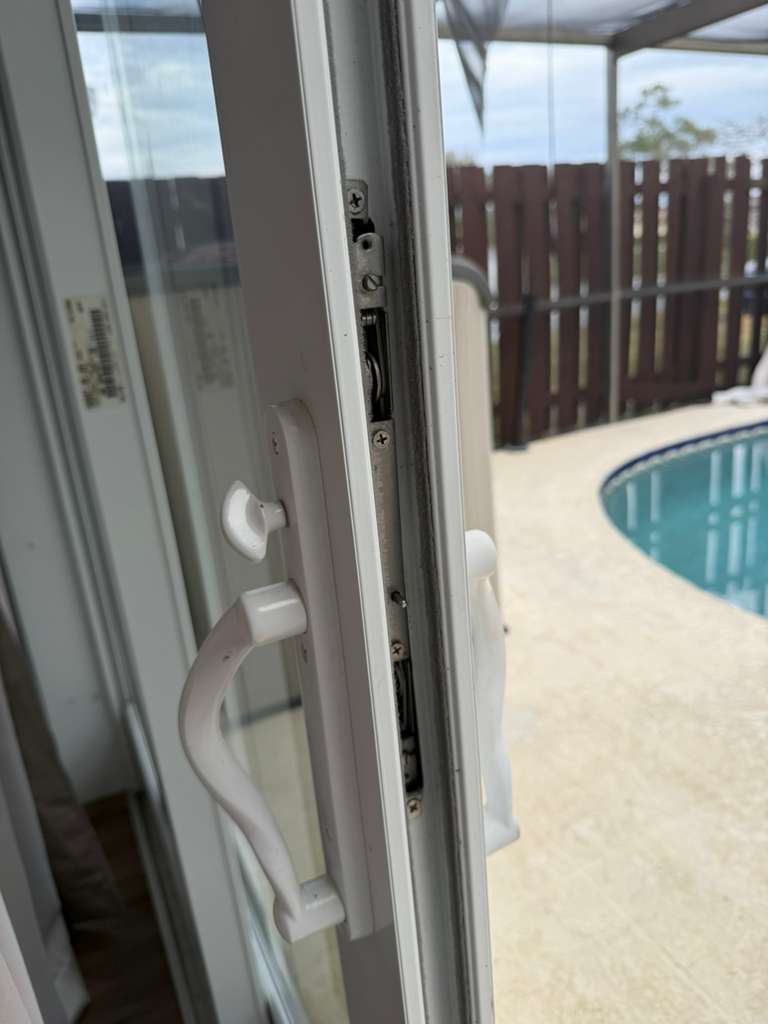
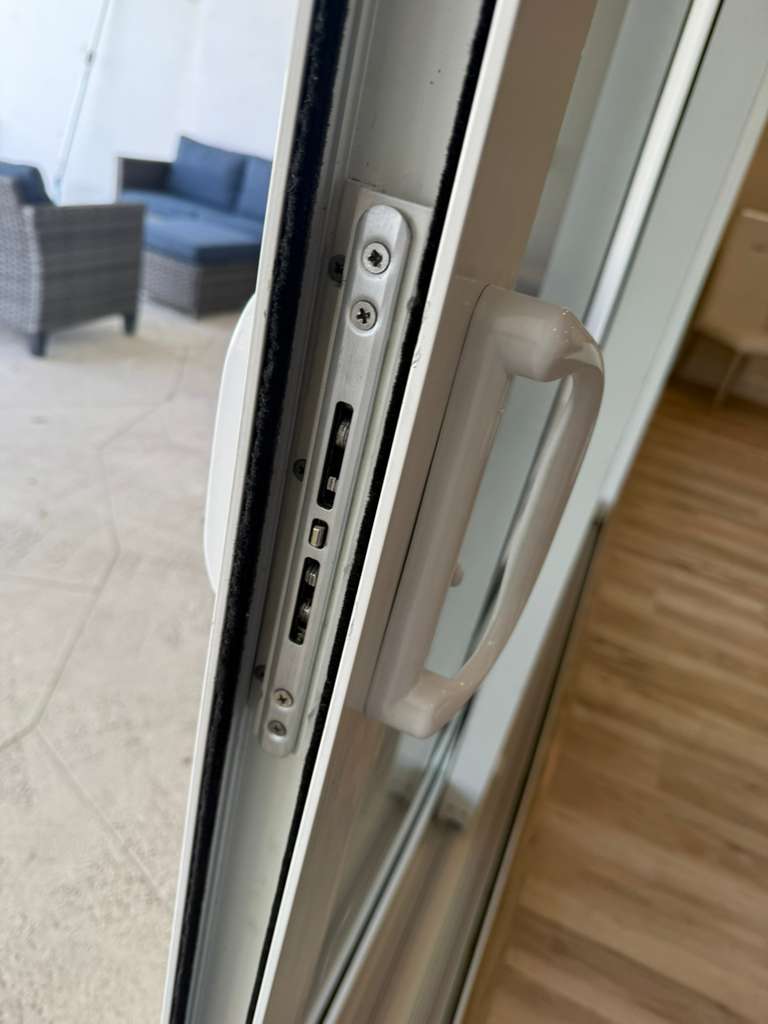
Internal spring and cam mechanism repair for standard sliding door mortise locks. Restore firm latch engagement.
Upgrade from single-point to multi-point locking. Three engagement points distribute force and resist forced entry.
Roller height adjustment to realign lock hook with frame keeper. Often solves lock problems without replacing the lock itself.
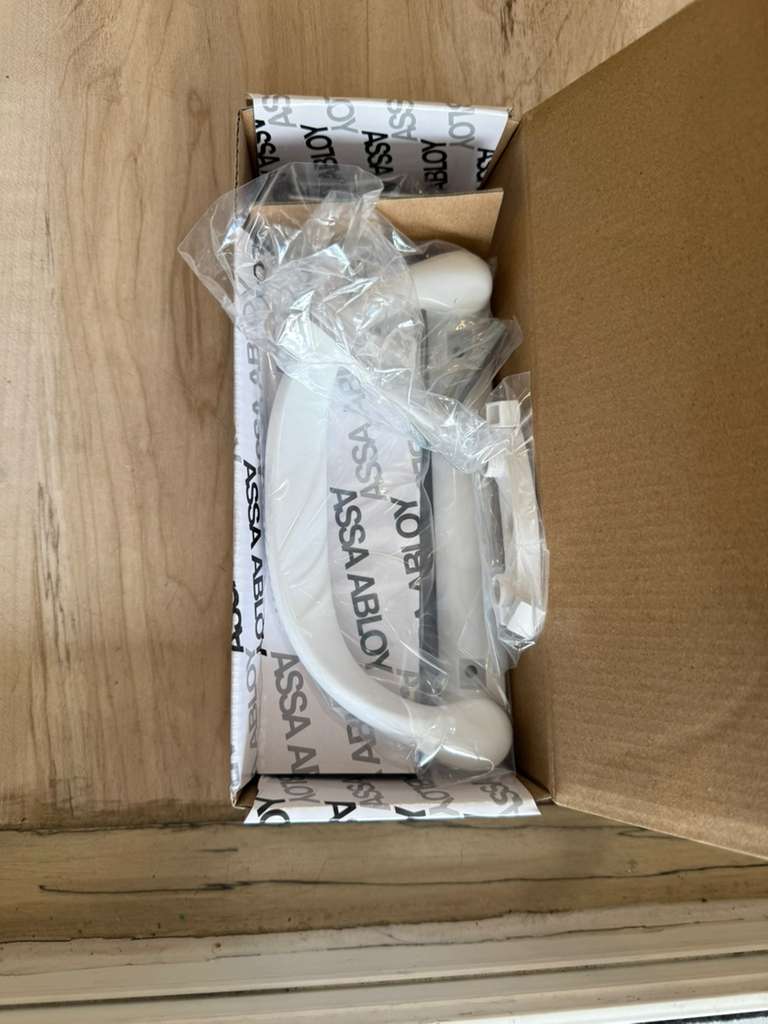
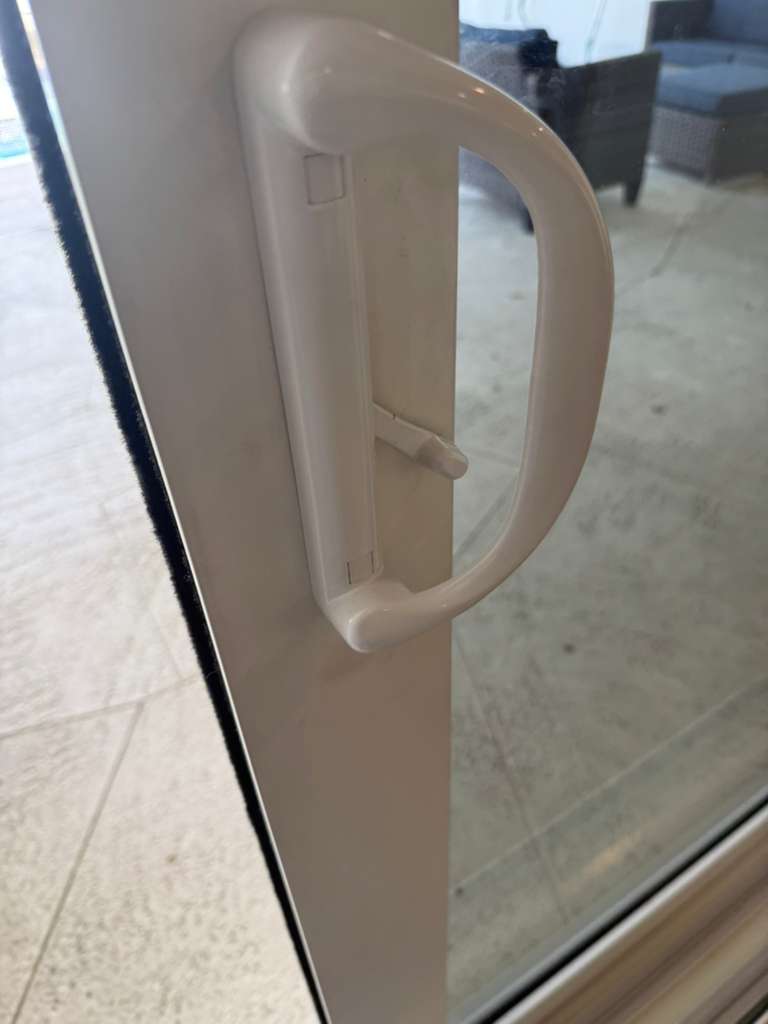
Worn or broken handle assemblies replaced with matching or upgraded hardware. Ergonomic options available.